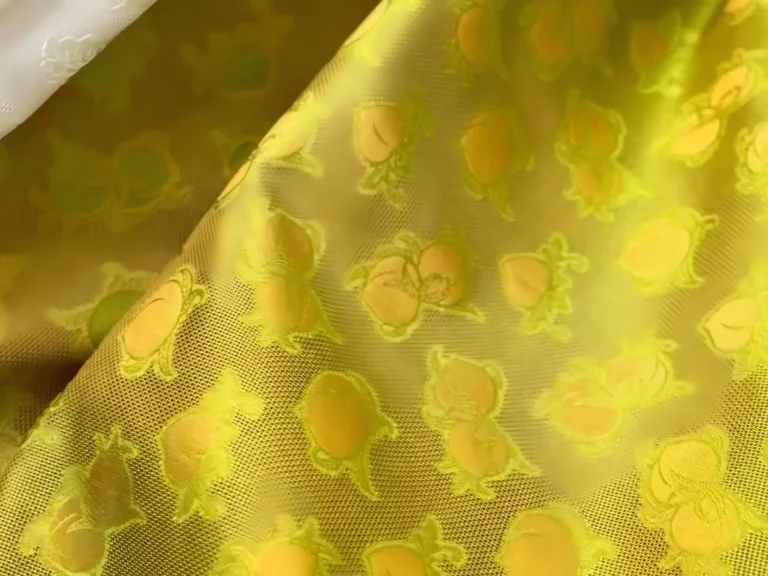
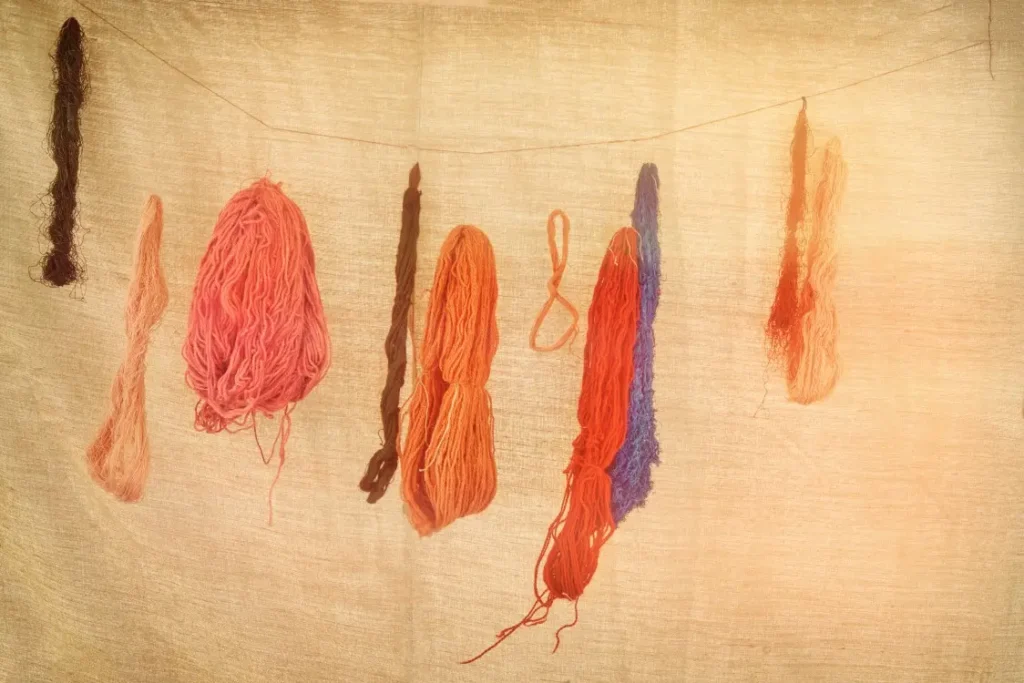
When we select silk products, we are often attracted by their ‘natural’, ‘breathable’ and ‘beauty and skin care’ labels.
Whether it is to buy silk bedding in pursuit of the ultimate sleep experience, or to choose high-end silk clothing in order to enhance personal taste, silk has always been synonymous with high-quality life. However, in the face of a wide variety of choices in the market, many consumers are often confused between ‘Mulberry Silk’ and ‘Tussah Silk’.
Although they both belong to natural animal protein fibers and share the excellent commonalities of silk, due to the huge differences in growth environment and eating habits, the two silks are very different in texture, color, price and application scenarios.
Which kind of silk is really suitable for you?
In this article, we will deeply analyze the origin and difference between mulberry silk and tussah silk, and objectively compare their advantages and disadvantages.
Whether you are pursuing the ultimate delicate touch, or looking for cost-effective and durable environmentally friendly materials, I believe that after reading this article, you can make the most informed purchase decisions.
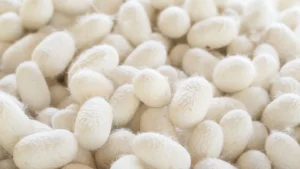
What is mulberry silk?
When we are exploring what is the origin and production of mulberry silk, we must first understand its unique ‘domestic’ identity. Mulberry Silk known as the ‘gold standard’ in the silk industry, is a fiber exhaled from the artificially domesticated silkworm (Bombyx mori). Unlike wild silkworms, these silkworms live in a controlled environment with constant temperature, constant humidity and extreme hygiene.
The origin and production of controlled housekeeping
Silk is expensive and precious, largely due to its harsh production conditions. These silkworms only feed on fresh white mulberry leaves. This single and pure eating habit makes the silk thread they vomit white and has very few impurities.
In a typical explanation of mulberry silk production process, the most amazing thing is the continuity of its fiber. Once cocooning begins, a silkworm can spit out a continuous filament that is 600 to 900 meters long and never breaks. This is very different from cotton or wool that needs to twist short fibers together, and it is also the reason why mulberry silk is extremely smooth.
Unique quality of mulberry silk
It is the fine management and filament characteristics of this household that create the core advantages of the unique quality of mulberry silk for luxury fabrics:
Extremely delicate texture: The single fiber diameter of mulberry silk is extremely fine (usually extremely uniform), and the surface is smooth without hairiness. This physical structure makes its touch as smooth as water, greatly reducing the friction on the skin.
Hypoallergenic and breathable: Due to rich in natural proteins and amino acids, mulberry silk naturally has anti-mite and antibacterial properties. It is not only an ideal choice for people with allergic constitutions, but its excellent air permeability also makes it a ‘breathing’ fiber, which helps regulate body temperature.
Pearl-like luster: it is not so much ‘shiny’ as it has an introverted sense of pearl. This is because its triangular prism-like fiber structure can refract light at different angles, resulting in a unique high-level texture.
Extended reading: If you are interested in mulberry silk, please read our in-depth article on [what is mulberry silk] to understand the knowledge about mulberry silk.
What is tussah silk?
In order to deeply understand the wild roots and characteristics of tussah silk, we need to go out of the constant temperature breeding room and into the vast nature.
Wild collection from nature
Antheraea pernyi silk originated from wild silkworms (mainly Antheraea). They are not grown in artificially controlled indoor environments, but are raised in wild oak forests or other natural forests. These silkworms are completely exposed to the natural environment and feed on natural oak leaves.
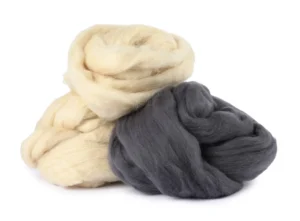
Due to this all-natural eating habit, the rich tannins and natural pigments in oak leaves are absorbed by silkworms, which ultimately makes tussah silk present a unique natural tone-usually light brown, amber or creamy matte golden yellow, rather than pure white like mulberry silk.
Rough texture and unique fiber structure
Different from the pursuit of extreme fineness and continuity of mulberry silk, tussah silk shows a more rugged natural beauty. Because wild cocoons are usually thicker and harder, and it is difficult to extract a complete filament like mulberry silk during processing, tussah silk is usually spun from shorter ‘short fibers’.
This mode of production gives tussah silk the following significant characteristics:
Texture with uneven thickness: The fiber diameter of tussah silk is usually thicker (some crude fibers can even reach about 70 microns, far more than mulberry silk), which makes the fabric surface have a unique bamboo and granular feel, and the touch is closer to linen or cotton than the traditional silk.
Sub-light surface: it does not have the dazzling pearl light of mulberry silk, but presents a low-key, rustic sub-light texture, permeated with a primitive luxury.
Excellent durability and protection: Due to evolution in the wild environment, tussah silk has stronger toughness. It naturally has extremely high ultraviolet (UV) resistance, and is more wear-resistant and easier to handle than delicate mulberry silk.
Mulberry silk vs. Tussah silk
Although both of them have the aura of ‘silk’, they can almost be regarded as two completely different fabrics in terms of microstructure and actual performance.
In order to help you make a choice, we have conducted in-depth analysis from the following key dimensions:
Texture and fiber structure: delicate vs. rugged
This is the most intuitive difference between the two.
Mulberry silk: It has an incredible fineness, usually only about 10 microns in diameter. As a continuous filament, its surface has almost no breakpoints, so the touch is as smooth as butter, and the friction coefficient to the skin is extremely low.

Tussah silk: The fiber diameter is about 65-70 microns (or even thicker). Because it is mostly short fiber spinning, its feel is closer to cotton or wool, and it has a unique ‘ grainy ‘ or dry feeling, which is not as silky as mulberry silk.
Appearance and Gloss: Pearl Light vs. Glossy Gold
Mulberry silk: showing a white background color (before dyeing), easy to dye bright and bright colors. Its structure refracts light and exudes an iconic, elegant pearl luster.
Tussah silk: naturally with light brown or amber color, bleaching is difficult, so the finished product often retains dark or earth color. Its luster is introverted and sub-glossy, giving a low-key and calm visual effect.
Durability vs. Price: Delicate vs. Tough
When we compare the durability of texture, tussah silk is superior in ‘resistance to make’.
Mulberry silk: Although the tensile strength is high, but it is very precious, afraid of hook silk, afraid of direct sunlight, and need careful care (usually recommended hand washing). In terms of price, due to the high cost and limited output of artificial breeding, it belongs to the high-end luxury price.
Tussah silk: thanks to the harsh environment in the wild, it is more wear-resistant, anti-pulling, and has a strong anti-ultraviolet ability, not easy to age. This makes it usually more popular than mulberry silk in price and has a higher cost performance.
| Mulberry Silk vs. Tussah Silk: Difference Comparison Table | ||
|---|---|---|
| In order to give you a glimpse, we have collated the following key parameter comparisons: | ||
| Comparative dimension | Mulberry Silk | Tussah Silk |
| Fiber source | Bombyx mori | Antheraea |
| Fiber morphology | Continuous filament (up to 900m) | Staple fibers |
| Fiber diameter | Very fine (~ 10 microns) | Coarse (~ 65-70 μm) |
| Touch | Extremely smooth, soft, like running water | Dry, textured, cotton-like. |
| Glossiness | Shiny, pearly luster | Sub-light, low-key, natural color |
| Durability | More precious, need careful nursing care | Tough and wear-resistant, strong UV resistance |
| Air permeability | Excellent, suitable for regulating body temperature | Good, but slightly inferior in skin affinity. |
| Price range | High (luxury grade) | Medium (high cost-effective) |
Application scenarios in real life
Application of mulberry silk: due to its low allergy and zero friction characteristics, it is a strong fit. Choosing mulberry silk for pillow cases, clothing and high-end silk quilts can minimize sleep patterns and hair irritability and protect sensitive skin.
Applications of tussah silk: tussah silk is commonly used in home decoration (such as carpets, curtains, sofa sets) and men ‘s suits, jackets or outdoor casual wear due to its durable and sun-resistant properties. In these scenes, the rough texture has instead become a fashion style, and there is no need to be as careful as serving mulberry silk.

Benefits of mulberry silk
Mulberry silk is not only a noble fabric, when it is made into clothing to wear, it is more regarded as the ‘second layer of skin’ by skin experts. Rather than wearing a dress, you are enjoying all-weather skin care. To truly understand the benefits of silk on the skin, we need to start with its amazing similarity to human skin.
Scientific basis: ‘skin care grade’ fabric rich in amino acids
Silk is mainly composed of animal protein, scientific research shows that it contains 18 kinds of natural amino acids. The molecular structure of these amino acids is very similar to that of human skin, which makes silk have excellent biocompatibility.
Natural moisturizing and anti-aging: Sericin in mulberry silk has excellent water-locking function. When you’re wearing a silk shirt or pajamas, the fabric helps to keep the skin’s surface natural moisture and prevents dryness. This constant ‘moisturizing environment’ helps to delay the formation of skin textures in the neck, back, and arm skins that are exposed to clothing for long periods of time.
The extreme tactile sensation of low friction: the surface of mulberry silk fiber is smooth and free of hairiness, and the friction coefficient is extremely low. This means that it doesn’t rub and irritate pores like rough wool or synthetic fibers, effectively reducing itchy or rough skin caused by clothing friction.
The saviour of sensitive skin
For people who have sensitive muscles or suffer from eczema and dermatitis, the cosmetic benefits of mulberry silk are particularly effective for sensitive skin.
Different from the allergic reaction caused by chemical fibers, mulberry silk is a hypoallergenic natural fiber. It is naturally mite-resistant, antibacterial, and extremely breathable. Wearing silk clothing can quickly expel sweat and moisture from the skin surface, destroy the moist environment where bacteria breed, and provide a dry and hygienic recovery space for sensitive skin.
User case: from tight to free dress experience
In order to show the changes brought about by mulberry silk clothing in daily life, let us see a typical user feedback:
Case Sharing: Emily’s Workplace Experience
My skin is very sensitive. I used to wear a chemical fiber shirt, and my back would itch and redden in the afternoon, especially when sweating in summer. Later, I tried to replace the close-fitting clothing with a mulberry silk shirt. The most intuitive feeling is that the stuffy feeling completely disappeared. Even if sitting in an air-conditioned room all day, the skin will not feel dry and tight. Right now, it ‘s the most used item in my closet.
Dynamic temperature control adjustment
The mulberry silk clothing also has a kind of wisdom of ‘knowing cold and knowing heat’. Its porous fiber structure can accommodate a large amount of air, forming a natural insulating layer.
In the hot summer, it can quickly spread out the body heat, keep the body surface cool; in the cold winter, as an inner wear, it can effectively lock the body temperature.
This excellent thermoregulation ability makes mulberry silk the first choice for daily luxury and practical four seasons.
Advantages and disadvantages of tussah silk
With the transformation of the global fashion industry to green environmental protection, Tussah Silk is gradually changing from a ‘substitute’ for mulberry silk to a star in the field of sustainable fashion due to its unique wild attributes. To fully evaluate this fabric, we need to delve into the logic behind the advantages and disadvantages of tussah silk sustainable fashion.
Significant advantages of tussah silk
Tussah silk is not just a cheaper choice. It has a series of unique physical properties, which constitute the core competitiveness of tussah silk for environmental protection clothing:
Excellent durability and economy: the fiber of tussah silk is thicker and tougher than mulberry silk. It is not easy to hook wire, wear resistance, longer life. At the same time, its more people-friendly price has lowered the threshold of silk products, so that more people can experience natural protein fibers in an economical way.
Natural antibacterial and breathable: Like its ‘exquisite’ relative mulberry silk, tussah silk also has a porous structure and excellent breathability. Its natural biological properties make it difficult to breed bacteria and mold, very suitable for making summer clothing or outdoor sports equipment.
Unique visual texture: It has a matte color and texture similar to linen, which brings retro and natural style to fashion design.
Ecological core: the environmental value of wild collection
At the level of environmental protection, the environmental benefits of tussah silk are better than that of mulberry silk mainly reflected in its production mode. The mulberry silkworm needs to be artificially planted and refined indoor breeding, while the tussah silkworm is ‘naturally raised’.
Protecting biodiversity: The tussah grows in natural oak forests and does not need to cut down forests to open up farmland. This stocking mode encourages the protection of forest land and maintains the local ecological balance.
Zero pesticide and low carbon footprint: Wild oaks do not require chemical fertilizers and pesticides, and the treatment of tussah silk usually involves less chemical bleaching (in order to retain its natural color), which greatly reduces water pollution and carbon emissions.
Disadvantages that cannot be ignored
In order to make a wise choice, we must also face up to its limitations:
Rough touch: This is the most obvious short board of tussah silk. Its fiber is thick and uneven, and its touch is not as delicate as mulberry silk. For people with extremely sensitive skin, direct wearing may have a slight itching sensation.
Dyeing and appearance limitations: As tussah silk naturally has a dark amber or brown color, bleaching is extremely difficult and easy to damage the fiber. Therefore, tussah silk products are usually limited to dark, earthy or primary colors, and cannot show bright and colorful effects like mulberry silk.
Mixed use is recommended
In view of the above advantages and disadvantages, modern textile technology often recommends the use of a mixed strategy. For example, tussah silk is blended with cotton, hemp or viscose fiber. This approach not only retains the air permeability and antibacterial properties of silk, but also uses other fibers to improve the touch, while reducing costs and creating modern fabrics that are both environmentally friendly and comfortable.
How to identify mulberry silk and tussah silk? Four practical test methods
In the market, there is not only the confusion between pure silk and chemical fiber, sometimes merchants will also blur the boundary between ‘mulberry silk’ and ‘tussah silk’, and use the lower price of tussah silk to impersonate high-grade mulberry silk. Mastering the test methods of mulberry silk and tussah silk can help you ensure that you buy real products.
Here are several simple and effective methods to teach you to distinguish between mulberry silk and tussah silk at home:
Visual Test: Color and Gloss (the most intuitive method)
This is the first step in how to identify mulberry silk vs tussah silk without destroying the product.
Mulberry silk:
Color: Natural mulberry silk (undyed) presents a pearl-like milky white with a high degree of cleanliness.
Gloss: In the light, it will reflect a soft, bright gloss, color uniformity.
Impurities: Almost no impurities or black spots are visible.
Tussah silk:
Color: Because it is difficult to bleach, natural tussah silk is usually light yellow, light brown or light gray. If you see this kind of color silk, it is very likely to be tussah silk.
Gloss: showing sub-gloss effect, gloss is weak, more like cotton.
Impurities: If you look carefully (especially the filler of silk quilts), you may find tiny black or brown spots, which are residual bark or cocoon particles of wild silkworm cocoons, known as ‘silk spots’.

Touch test: smoothness and friction
Mulberry silk: feel smooth like butter when touching, fingers crossed almost feel no resistance, extremely soft and pendulous feeling.
Tussah silk: There is a clear sense of texture when touching, and even a slightly astringent feeling. It is stiffer and more fluffy than mulberry silk.
Tensile and fiber structure testing (for quilts/fillers)
If you are checking the zip of a silk quilt, this test is very effective:
Mulberry silk(long fiber): Mulberry silk is continuous long fiber. When you try to pull out a strand of wire, it is very difficult to break, and has excellent elasticity and adhesion, like a net that cannot be pulled open.
Tussah silk(short fiber): Tussah silk is usually shorter (or interrupted during processing). When pulled, it is easier to separate, and the ductility is not as good as mulberry silk. The fiber looks more like a clump of cotton wool, rather than an infinitely extended long line.
Bleaching Water Dissolution Test (Destructive Test)
Although this test is mainly used to distinguish between silk and chemical fiber (silk will dissolve, chemical fiber will not), it can also reflect the difference between the two kinds of silk to a certain extent:
Prepare a small cup of household 84 disinfectant (containing sodium hypochlorite).
Mulberry silk usually dissolves quickly and disappears without a trace after being put into the solution, and the solution becomes turbid but relatively clear.
Tussah silk has thicker fiber, tighter structure and more natural pigments, so its dissolution rate is usually slower than that of mulberry silk, and the liquid color after dissolution may be yellower.
Which is better? Select mulberry silk or tussah silk according to use and budget
The answer is not who is ‘better’, but who is more ‘suitable’ for your specific needs. There is no absolute winner. In order to help you make a decision, we have combined the factors of selecting mulberry silk and tussah silk, and developed the following decision-making guidelines for you.
Scene 1: Extreme sleep and close care
Your needs: improve sleep quality, skin care hair, anti-allergy, the pursuit of the ultimate soft touch.
Best choice: Mulberry Silk
Reason: In the field of bedding (such as pillowcases, bedsheets) and close-fitting clothing (such as pajamas, underwear), mulberry silk is an indisputable king. Its smooth surface minimizes friction on the skin and hair, and its moisture absorption and air permeability are also the best partner for sleep. Although the price is high, it is worth it as an investment in health.
Scene 2: Durable Fashion and Home Decoration
Your needs: make coats, suits, curtains, carpets, or look for a unique texture of fabrics, and hope that the product wear-resistant and durable.
Best choice: Tussah Silk
Reason: For items that do not need to be close to delicate skin, the rough texture of tussah silk is a unique aesthetic advantage. It is more rigid, more resistant to make, and natural anti-ultraviolet, very suitable for outdoor clothing or home fabrics that are often exposed to sunlight. At the same time, its high cost performance is also an ideal choice for large-scale use (such as curtains).
Quick Decision Guide: One Minute Test
If you’re still hesitating, please lock your target with this simple ‘decision-making process’:
What is the budget?
Adequate: tend to mulberry silk.
Focus on cost-effective: tend to tussah silk.
Does the item contact sensitive skin directly?
Yes: Mulberry silk must be selected (avoid rough fiber stimulation).
No: tussah silk is a good choice.
Which appearance do you value more?
Glossy and pure white: mulberry silk.
Sublight perception and natural texture: tussah silk.
What is the difference between mulberry silk and tussah silk in cleaning and maintenance? Can machine wash?
Although both recommend hand washing, but mulberry silk is more precious, fiber strength will be reduced after encountering water, machine washing and vigorously wring dry is strictly prohibited, special silk detergent must be used.
In contrast, tussah silk is more resistant to mild machine washing than mulberry silk under certain conditions (using laundry bags and gentle mode) due to its thicker fiber and stronger toughness. However, dry cleaning or hand washing is still the best choice for extending the service life.
If you want to know how to wash silk, you can refer to our in-depth article on [how to wash silk].
Why does the newly bought tussah silk smell special?
Tussah silk is derived from the wild, and cocoons contain more natural tannic acid and leaf residues. During processing, if the degumming is not thorough, a natural odor similar to ‘plant rhizome’ or ‘sour taste’ may remain. This is not usually a chemical odor and can usually be removed by drying (avoiding exposure to the sun) in a ventilated place. High-quality mulberry silk usually has only a very light protein flavor or tasteless due to fine degumming.
As a core filler, is tussah silk more warm than mulberry silk?
This depends on the definition of ‘warm’. The tussah silk fiber has a higher curl, so it is more fluffy. As a core, it can store more static air, and the initial feeling may be thicker and warmer. However, the long fiber of mulberry silk has better fit, which can better fit the body contour and prevent cold air from drilling into the edge of the quilt. Therefore, mulberry silk usually performs better in thermostatic regulation and skin-to-skin warmth retention.
Is tussah silk fabric easy to pill?
Yes, this is a common misunderstanding. Although tussah silk is wear-resistant, it is usually spun from short fibers (Staple fibers) rather than continuous filaments as long as mulberry silk. In the long-term friction process, the end of the short fiber is easy to run out to form a hair ball. Therefore, when buying tussah silk clothing, we should pay attention to its textile process and avoid excessive friction with rough objects.
Do all ‘silks’ have a 6A rating? Does tussah silk have?
The 6A grading standard is mainly aimed at mulberry silk (especially raw silk), which is used to measure its thickness uniformity, cleanliness and tensile strength. The 6A rating system is rarely used for tussah silk in the market. If you see businesses claiming ‘6A grade tussah silk’, this may be a marketing term rather than a standard term. When purchasing tussah silk, more attention should be paid to its origin, purity and processing technology, rather than mechanically copying the grading standards of mulberry silk.
Looking to buy fabric?
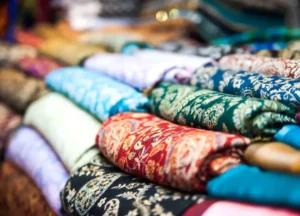
You can also purchase SilkYue’s exquisite fabrics and make your own favorite items.
Customization and Innovation
You can tell us the fabrics and styles you like (clothes, pants, sachets, bags, etc.), and SilkYue will make customized samples.