What Makes Silk Special?
For thousands of years, silk has been highly prized as one of the world’s most luxurious and exquisite garments.
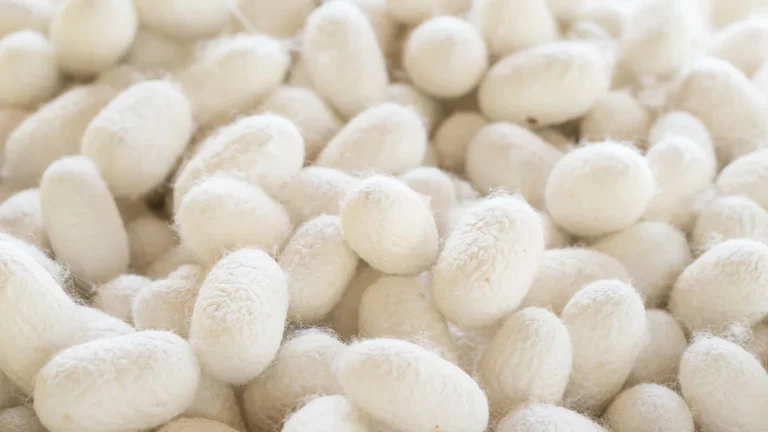
In all silk varieties, 100% mulberry silk stands out for its extraordinary softness, natural luster, and breathability.
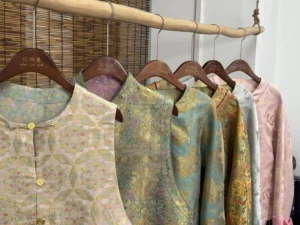
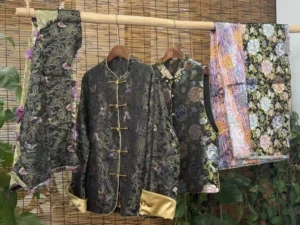
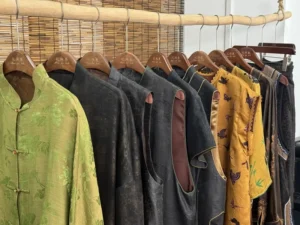
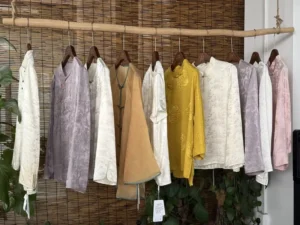
SilkYue specializes in embroidered silk garments, pants, and sachets, all crafted from reactive-dyed mulberry silk to ensure vibrant, long-lasting colors.
Gaining knowledge in the unique qualities of silk is the first step to mastering its proper care.
For the convenience of customers and brand partners, we have summarized the best silk care practices and provided the following reference guide.
This article will explain the basics of how to wash silk, silk stain removal, and silk wrinkle removal.

How to Wash Silk?
Silk as a protein fiber that is acid-resistant but not alkali-resistant and is degraded by light, so that requires special care when washing.
Improper washing will cause silk to shrink, fade, or become damaged.
Check the label on your silk garment before washing. Some silks are not water-washable, meaning the color will wash away after contact with water. For this situation, dry cleaning is recommended.
There are also special detergents for silk garments, which are designed specifically for silk garments and are gentle and comfortable.
Step-by-Step Guide to Hand Washing Silk
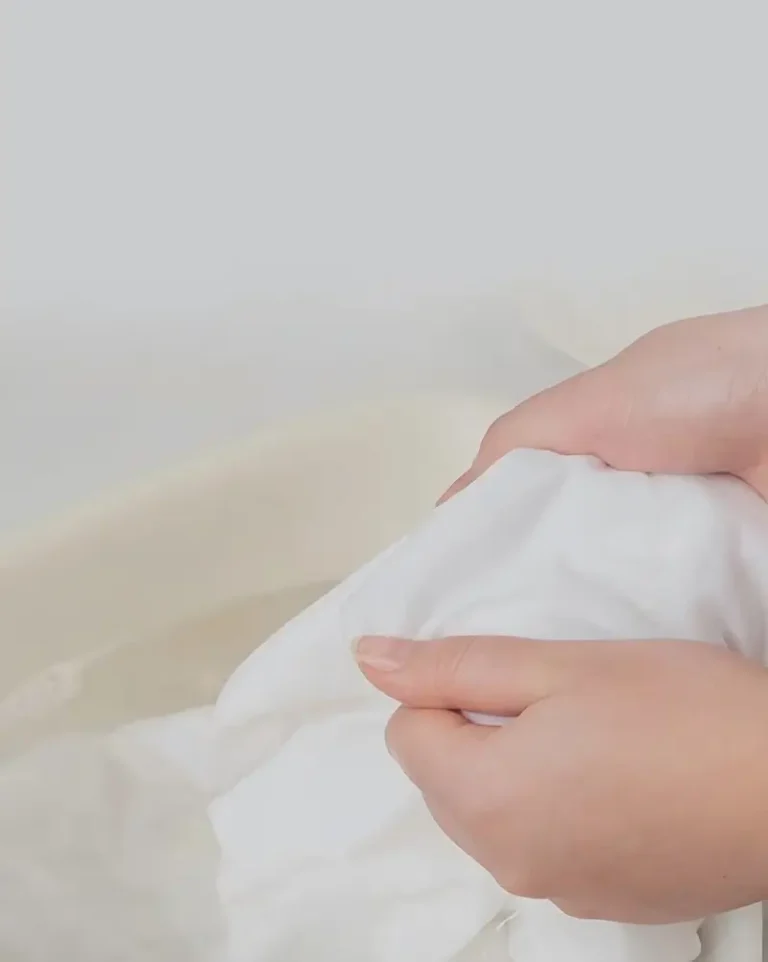
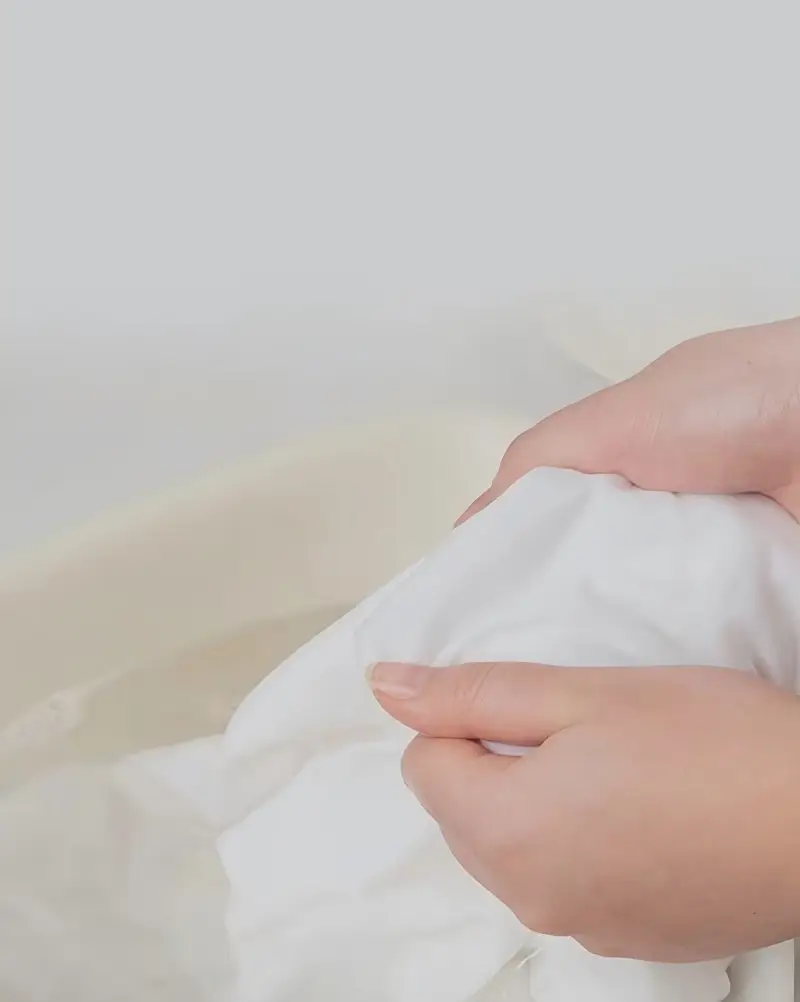
For most silk garments, the safest way to wash them is by hand in tap water or warm water (never hot water), as this gently removes stains without damaging the garment.
1. Fill a basin with tap water, preferably below 30°C.
2. Add a mild detergent—use SilkYue Silk Laundry Detergent, which is formulated specifically for silk. It effectively cleans without damaging the natural proteins that give silk its lustre.
3. Soak the silk garment for 3-5 minutes. Avoid soaking for too long.
4. Softly turn the garment by hand; avoid twisting or rubbing.
5. Rinse thoroughly in tap water until no soap residue remains.
6. Roll the garment in clean towels and squeeze out any excess water—never wring silk garments.
7. Lay flat or hang to dry, away from direct sunlight and high temperatures. Remember not to hang damp silk garments.
Distribution Guide for Machine Washing Silk
While hand washing is recommended, some sturdier silk products can be machine washed, such as plain silk pants or scarves without intricate embroidery. But you still need extra care and attention to the method.
1. Place the garment in a mesh laundry bag.
2. Use the delicate cycle with normal temperature tap water.
3. Be sure to use a detergent specifically designed for silk.
4. Do not mix with heavy or rough garments (such as denim or towels).
5. Do not use garment softener or bleach to avoid damaging the garment.

Drying and Storage Tips
Proper drying is crucial. Silk garments must be dried on a flat surface to prevent stretching and preserve their natural appearance.
Avoid tumble drying and drying in direct sunlight. High temperatures can cause silk to fade, shrink, and weaken the fibers.
Store silk in a cool, dry place, preferably in a breathable cotton bag.
How to Remove Stains from Silk?
Even the most attentive silk lovers sometimes encounter stains.
Whether it’s makeup, sweat, oil, fruit juice, or ink, knowing how to remove stains from silk is crucial to caring for the garment.
The key is to act quickly, use soft methods. If in doubt, please opt for a professional dry cleaning service.
There are four common stain removal methods: spraying, soaking, wiping, and absorption.
- Spraying: Using the force of a spray gun to spray silk detergent to remove water-soluble stains. Suitable for garments with tight structure and strong bearing capacity.
- Immersing: Allowing silk detergent to react with the stain on the fabric for sufficient time to remove the stain. It is suitable for garments with stains that are tightly bonded to the fabric and have a large area of stain.
- Wiping: Using a brush or clean and fine white cloth to wipe the stain. This is suitable for garments with shallow or easily removed stains.
- Absorption: After adding silk detergent to the stain on the garment, wait for it to dissolve, and then use cotton to absorb the removed stain. It is suitable for fine texture, loose structure and easy to discolor garments.
General Rules for Stain Removal
Test the cleaning product first, always on an inconspicuous area.
Work quickly; fresh stains are easier to remove than dried ones.
Blot dry and don’t rub. Because rubbing can cause the stain to penetrate deeper into the garment.
Avoid harsh chemicals: bleach, strong stain removers, and hot water can permanently damage silk.
Why use SilkYue Silk Detergent?
Regular detergents are often too harsh on mulberry silk.
SilkYue Silk Laundry Detergent is pH-balanced and specially formulated for reactive-dyed silk garments.
It removes minor stains while preserving the fiber’s natural luster and softness.
When to Choose Professional Dry Cleaning?
- Dark or stubborn stains (like ink, wine, grease).
- Large surface stains may spread when cleaned at home.
If you’re unsure, it’s best to take the garment to a trusted dry cleaner to avoid permanent damage.
By following these tips, you can easily treat minor stains at home and know when to seek professional help.
Learn how to properly clean silk to ensure your clothing and home textiles last longer and look their best.

How to Remove Wrinkles from Silk?
Wrinkles are common on natural fabrics, but removing them from silk requires extra care.
For a smooth, supple look without damaging the delicate fibers. There are safe and effective ways to restore your silk garments to their original luster:
- Method 1: Using Garment Steamers (Recommended)
For most silk products, the garment steamers are the safest option.
1. Hang your silk garment or scarf on a padded hanger.
2. Set your garment steamer to low or medium steam.
3. Hold the nozzle at least 6-8 inches from the garment.
4. Slowly move the steamer up and down until wrinkles disappear.
- Method 2: Low-Temperature Ironing
If you don’t have a steam iron, you can use a low-temperature (warm water) iron, but must be careful.
1. Turn the silk garment inside out.
2. Place an ironing cloth (such as cotton or muslin) on the garment.
3. Set your iron to its lowest setting or a dedicated silk setting.
4. Iron gently—do not drag the iron back and forth.
5. Allow the garment to cool before wearing or folding.
- Method 3: Hang Dry
Commonly used to remove minor wrinkles from silk garment.
1. After washing and draining the silk, immediately hang it on a wide, padded hanger.
2. Lightly smooth the fabric with your hands.
3. When air drying, let gravity smooth out any minor wrinkles.
Some Important Notes
Never use high ironing temperatures, as this can scorch silk and damage its texture.
Avoid spraying water directly on silk, as this may leave water stains.
Never put silk garments in the dryer, as this can damage the fibers and cause wrinkles.
Follow these tips to learn how to safely remove wrinkles from silk, whether at home or while traveling.
Silk garment will look more elegant and polished, besides it will extend the life of the fabric.
What are the precautions when washing silk scarves or trousers to avoid fiber damage?
For more durable silk items, such as scarves or plain trousers, choose a soft washing mode and place it in a protective mesh bag, using exclusive silk cleaning products.
Avoid mixing with other rough fabrics and ensure that the water temperature does not exceed room temperature to reduce friction and potential fiber wear risks.
How to deal with oil stains or ink stains on silk clothes to maintain the original color?
Quickly respond to oily or stubborn marks, using soft tools such as cotton swabs or cloth blocks to absorb stains and avoid high temperature or chemical bleaching agents.
It is recommended to use the absorption method to gently remove the dirt after the cleaning solution slowly dissolves the dirt. For dark or large area problems, priority should be given to professional cleaning services to prevent color changes.
How to avoid ironing marks and gloss loss when ironing silk shirts at low temperature?
Flip the inside of the clothing, covered with a layer of thin cloth as a protection, using the iron ‘s silk special low-grade gently press rather than drag.
Immediately after treatment, the suspension is cooled to ensure that the operating environment is dry to maintain the natural smoothness and durability of the silk.
When to seek professional dry cleaning services when dealing with stubborn wrinkles or stains on silk?
When the home method may lead to further damage, such as uneven color or fiber breakage, especially dark or large area problems, professional dry cleaning is recommended to safely remove traces.
Regular professional care can also help maintain the overall quality and appearance of the silk.
Why does silk harden or lose its luster after washing?
Many users find that silk feels no longer smooth after washing. This is usually because the use of alkaline detergents ( such as ordinary soap or washing powder ) destroys silk protein, or calcium and magnesium ions in water adhere to the fiber.
Solution : Add a few drops of white vinegar to the final rinse water. White vinegar can not only neutralize the residual alkaline substances, but also dissolve the mineral precipitation, helping to restore the silk luster and soften it again.
If you don’t have a special detergent for silk, can you use shampoo instead?
This is a very practical emergency plan. Because silk, like human hair, is mainly composed of protein.
Answer : Yes, it can be used. Please choose a mild, silicone-free and neutral shampoo (baby shampoo is best). Never use shower gel or strong degreasing shampoo, nor use conditioner to wash directly, so as not to block the fiber pores.
The label says ‘dry cleaning only’ silk, really completely can ‘t wash?
Many brands will mark ‘ dry cleaning only ‘ in order to avoid risks.
Answer : Not necessarily. For plain-colored, unlined and tightly woven silk clothing, it is usually possible to wash it carefully by hand. However, if it is dark color matching (easy to string color), complex structure or heavy silk, it is recommended to follow the label. Before washing, it is recommended to dip water in the hidden place of clothing to test whether the color is lost.
Silk clothes accidentally shrunk, is there any rescue?
The fiber structure of silk shrinks after encountering water, which is a normal phenomenon, but serious shrinkage is often caused by high water temperature or excessive rubbing.
Answer : You can try ‘ hair conditioner soaking method ‘. Soak the shrunken clothing in warm water with a small amount of conditioner for 15 minutes. The conditioner softens the fiber. After removing, do not wring dry, spread on a dry towel, gently stretch around to the original size in the wet state, and then dry.
In addition to ironing, what other methods can safely remove silk wrinkles?
Some users do not have a professional iron at home, or are afraid of not controlling the temperature to iron out the fabric.
Bathroom steam method : silk clothes are hung in the bathroom ( to avoid splashing water ) during the bath, and the wrinkles are naturally smoothed by the diffuse steam in the bathroom.
Spray suspension method : use spray bottles to fill pure water, gently spray wet wrinkles ( do not spray through ), and then hang in the ventilated place to dry in the shade, gravity will help flatten the fiber.
Why is the silk yellowing? Can still wash white?
Answer : There are usually two reasons for the yellowing of silk : one is the natural aging of protein over time, and the other is the residual sweat stain or direct sunlight.
Treatment recommendations : If it is slightly yellowing, you can use rice water immersion to try to improve. If it is senile macular, it is difficult to completely reverse. Prevention is always more important than treatment : after wearing, be sure to wash off sweat in a timely manner, and absolutely avoid direct sunlight drying.
How to store long-term non-wear silk clothing?
Refuse plastic bags : Be sure to use breathable cotton dust-proof bags to avoid mildew caused by moisture accumulation.
Insect-proof : silk is protein, love to attract insects. But do not use camphor pills (naphthalene), it will make silk yellow and the smell is difficult to remove. It is recommended to use natural cedar wood or lavender bags.
Avoid heavy pressure : it is best to hang storage, if you must fold, please put on the top of the wardrobe, so as not to form a dead fold.
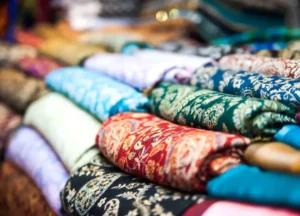
Looking to buy fabric?
You can also purchase SilkYue’s exquisite fabrics and make your own favorite items.
Customization and Innovation
You can tell us the fabrics and styles you like (clothes, pants, sachets, bags, etc.), and SilkYue will make customized samples.