
When you buy new clothes for the wardrobe, especially close-fitting pajamas or high-end shirts, in the face of the label ‘s composition table, you may wonder: What is the difference between natural silk and synthetic polyester? Although modern textile technology can sometimes make both visually glossy, they are very different in nature, touch and influence on the skin.
Silk, as a natural animal protein fiber, is mainly derived from silkworm cocoon. For centuries, it has been synonymous with luxury and elegance. With its watery silky texture, extreme softness and excellent skin-friendly properties, silk is often used to make high-end shirts, elegant skirts and pajamas that most need comfort.
In contrast, Polyester is an artificial synthetic fiber made from polyethylene terephthalate (PET) -in essence, which is the same material as the raw material for making plastic water bottles. Polyesters are popular for their durability and low cost, and are found in T-shirts, sweatpants and outdoor coats that we wear on a daily basis.
This leads to a core question: which is more suitable for daily wear of silk clothing and polyester clothing? Especially when choosing clothes that are in direct contact with the skin, why is silk often superior to polyester? This is not only about the price difference, but also about the improvement of air permeability, skin health and quality of life.
Silk vs. Polyester Production Process: Natural vs. Synthetic
To truly understand the value difference between the two, we must not only look at the final product, but must trace the source. Understand how the fabric was born.
Silk: Nature ‘s gift and exquisite workmanship
The production process of silk (known as ‘silkworm rearing‘) is an ancient and labor-intensive work.
Natural source: Everything begins with the silkworm. Silkworm baby feeds on mulberry leaves and spins cocoons. This means that silk is a pure natural protein fiber, which is closer to the composition of human skin.
Process: In order to obtain a complete silk thread, it is necessary to go through fine steps such as cocoon selection, cocoon cooking (softening sericin), silking and cocoon stripping. This process mostly relies on manual or semi-automatic fine operation, rather than large-scale industrial assembly lines.
Results: This slow production method gives silk a natural pearl luster and an extremely soft pendant feeling that cannot be replicated. In addition, as an organic substance, silk can be completely biodegraded after being discarded and returned to nature.

Polyester: the product of industrial chemistry
Polyester is the product of modern petrochemical industry.
Chemical synthesis: Polyester fiber is essentially a plastic. Its production begins with crude oil, through chemical reaction synthesis of polyethylene terephthalate (PET) chips, and then high temperature melt spinning.
High carbon footprint: Polyester production is highly dependent on fossil fuels. This directly leads to a serious environmental problem: when we analyze the carbon emission impact of polyester clothing, the data show that the energy consumption and greenhouse gas emissions in the polyester production process are much higher than those of natural fibers.
Potential risks: Although this industrial production reduces costs, making polyester clothing inexpensive and easy to manufacture on a large scale, it cannot be biodegraded. More worryingly, polyester clothing sheds tiny microplastics during the washing process, eventually flowing into the ocean, and even affecting human health through the food chain.
| Silk vs. Polyester: List of Production Differences | ||
|---|---|---|
| More intuitively show the huge differences between the two fabrics in the production process, we have compiled the following comparison table: | ||
| Feature | Silk | Polyester |
| Source of raw materials | Natural silk cocoon (animal protein) | Petrochemical plastics |
| Production methods | Breeding, cocoon cooking, silking (labor-intensive) | Chemical polymerization, melt spinning (industrial automation) |
| Environmental impact | Low-carbon emissions, renewable resources | High carbon emissions, dependent on fossil fuels |
| Degradability | 100 % biodegradable, return to soil | Non-degradable and remains in landfills for hundreds of years |
| Microplastic pollution | No (natural fiber) | Releases microplastics during washing, contaminating water sources |
| Fabric texture | Unique natural luster, breathable skin-friendly | Mechanical gloss, easy to produce static electricity and sultry |
Through comparison, it can be found that although polyester is superior in yield and cost, silk is not only a better choice in environmental protection and natural health attributes, but also a responsible attitude towards life in the future. At silkyue.com, we insist on the selection of high-quality mulberry silk. It is to ensure that every piece of clothing sent to you is double friendly to the skin and the environment.
Comfort of silk vs. polyester: Why is silk more suitable for daily wear?
If the production process determines the fabric ‘s genes, then the experience of everyday wear determines whether it ‘s worth being part of your life. When you put on a dress, you are not only showing the style, but also seeking a sense of physical pleasure. At this point, silk and polyester provide a very different experience.
Ventilation and temperature control
One of the most famous characteristics of silk is its excellent thermoregulation ability.
When you compare the air permeability of silk garments and polyester garments, the difference is obvious:
Silk: As a porous protein fiber, silk has excellent moisture absorption and perspiration function. It can quickly absorb and volatilize the sweat on the skin surface in the hot summer, so that you can keep dry ; in winter, it can form a layer of natural air insulation layer, lock the warmth. This is why silk is known as the ‘warm in winter and cool in summer’ fabric.
Polyester: Polyester fiber is essentially plastic and has very poor air permeability. Wearing polyester shirts is often like wrapping a layer of plastic wrap. Heat and moisture are smothered in the clothes, which can easily cause the body to feel sticky and even cause skin rash.
Anti-wrinkle and moisturizing
For clothing that must be worn every day or even every night, the texture of the fabric is the primary consideration.
Silk: Silk contains 18 kinds of amino acids that are beneficial to the human body. The surface is extremely smooth and the friction coefficient is the lowest among all fibers. This ‘slippery’ can not only reduce the indentation (sleep lines) during sleep, but also lock the skin moisture, and even reduce hair irritability. This is why beauty experts often recommend sleeping silk pillowcases or wearing silk pajamas.
Polyester: Although modern technology attempts to mimic the feel of silk, polyester is still rough in microstructure. Wearing polyester nightwear for a long time, its electrostatic adsorption and high friction may stimulate sensitive skin, resulting in dry or itchy skin.
Electrostatic and odor
In addition to touch, performance in social occasions is also critical. Why choose silk dress instead of polyester dress to enhance comfort?
Embarrassment of polyester: In the dry season, polyester skirts are prone to static electricity, resulting in tight adsorption of skirts on legs, which is neither beautiful nor comfortable. In addition, polyester is easy to adsorb and retain the body odor, and often emits an unpleasant smell after sweating. Although polyester is often used in high-strength sportswear because of its high elasticity, it is not the best choice for everyday or dinner occasions in pursuit of elegance.
The calmness of silk: silk has good antistatic property, and the skirt can fall and float naturally with the movement of the body. Its natural antibacterial properties also mean that even if you sweat slightly, it is not easy to produce odor, so that you can keep confident and fresh in any occasion.
A look at the differences in experience
To help you make a quick decision, we’ve rounded up the key differences between the two fabrics in terms of the wearing experience:
Benefits of silk:
Natural lustre: Pearl-like lustre from the inside out.
Soft touch: such as water flow through the fingertips, reduce skin friction, anti-aging.
Temperature control function: automatically adjust the microenvironment, all seasons, breathable comfortable.
The disadvantages of polyester:
Electrostatic problem: easy to adsorb dust, hair, skirt easy to fit.
Accumulation of odor: bacteria are easy to breed, need frequent strong cleaning.
Breathless: like wearing a plastic bag, hinder skin breathing.
Choosing Silkyue silk products is to choose a lifestyle that not only looks noble, but also is extremely enjoyable.
Benefits of silk vs. polyester: the choice of sensitive skin
Clothing is not just a piece of cloth. What you wear on your body is actually part of your skin environment. In the field of textile science, clothing is called ‘second skin’. When we deeply study the molecular structure, we will find the benefits of natural silk to sensitive skin and the allergic risk of synthetic polyester.
Silk: Wearable skin care products
The reason why silk is known as the ‘fiber queen’ lies in its chemical composition.
Rich in amino acids: Natural silk is mainly composed of protein fibers, containing 18 kinds of amino acids beneficial to the human body. The structure of these amino acids is very similar to that of human skin, which can help the skin to keep moist.
pH balance: Studies have shown that the pH value of silk is about 5.5, which is perfectly compatible with the weak acidic environment of human healthy skin. This means that silk has natural antibacterial and anti-allergic properties. For eczema, dermatitis or extremely sensitive skin, silk is the mildest physical barrier.
Anti-aging effect: Silk ‘s smooth surface greatly reduces friction with the skin. For the face and neck, long-term use of silk pillow cases or wearing silk pajamas has been shown to effectively reduce sleep creases, thereby delaying the formation of permanent wrinkles.

Polyesters: potential stealth threats
Although polyester is durable, it has many hidden dangers at the micro-health level.
Chemical residues and microplastics: As a petrochemical product, polyester may have chemical residues during dyeing and processing. More worryingly, polyester fibers release microplastics during use and washing.
Bacterium hotbed: Due to the non-absorbent and poor air permeability of polyester, sweat is easily retained on the surface of the skin. This humid, warm and impermeable environment is a hotbed for the reproduction of bacteria and fungi. Long-term wearing can easily lead to increased body odor, and even trigger folliculitis or contact dermatitis.
Special care: for those who need it most
In some special periods, the sensitivity of the skin will rise sharply. This explains why pregnant women choose silk pajamas instead of polyester to protect their skin.
The body temperature of pregnant women is usually higher, and the skin is prone to itching or pregnancy striae. The muggy and electrostatic adsorption of polyester will aggravate this discomfort, and the moisture permeability and smooth touch of silk can effectively relieve skin tightness and itching, and provide the safest care for the mother-to-be.
| Silk vs. Polyester: Comparison of Health Impacts | ||
|---|---|---|
| To visually demonstrate the effects of these two fabrics on the body, we have compiled comparative data based on dermatological science: | ||
| Health indicators | Silk | Polyester |
| Chemical composition | Natural animal protein (containing 18 amino acids) | Synthetic polymers (plastics/PET) |
| PH affinity | Slightly acidic (approximately 5.5), consistent with the skin’s pH. | Neutral or slightly alkaline, with no biological affinity. |
| Allergenic risk | Extremely low (hypoallergenic, suitable for eczema) | Medium to high risk (may cause contact dermatitis) |
| Antibacterial properties | Naturally resistant to dust mites, bacteria, and mold. | Easily breeds bacteria and absorbs odors. |
| Anti-wrinkle skincare | Reduce friction and prevent sleep wrinkles. | High friction, no skincare benefits. |
| Breathable and sweat-wicking | Excellent, keeps skin dry. | Poor, easily leads to sweat accumulation. |
At silkyue.com, we put health first. Every silk product has been strictly screened to ensure that it does not contain irritating chemicals and only provides you with a pure touch like a baby ‘s skin.
Environmental impact of silk vs. polyester: sustainability options
In today ‘s fast fashion, every consumption is actually voting for the future we want. When we face the question of environmental protection, silk and polyester which is better, the answer is not only about the fabric itself, but also about the future of the earth.
Polyester: the invisible burden of the environment
Although polyester fiber has dominated the fast fashion market due to its low price and durability, the environmental cost behind it is huge.
Fossil fuel consumption: Polyester is a by-product of the oil industry. The production of every piece of polyester clothing means the consumption of non-renewable resources.
Microplastics crisis: This is a serious problem that has been neglected for a long time. The data shows that every time polyester clothing is cleaned, thousands of tiny plastic fibers fall off. These microplastics cannot be filtered by sewage treatment plants and eventually flow into the ocean, which not only pollutes the ecosystem, but also may return to our tables through seafood.
False ‘recycling’: Although recycled polyester (rPET) is in vogue, it is still essentially plastic, still unable to be biodegraded, and there is also a problem of microplastic shedding.

Silk: The Cycle of Returning to Nature
In contrast, silk represents an ancient wisdom that coexists in harmony with nature.
Renewable and degradable: Silk is a completely renewable resource. If you bury a pure silk shirt in the soil, it will decompose naturally after a few months and become a fertilizer to nourish the soil, realizing the real ‘dust return to dust, soil return to soil’.
Low carbon footprint: why choose organic silk shirts instead of polyester shirts to reduce the carbon footprint? The production of organic silk does not use pesticides or synthetic fertilizers, and the planting of mulberry trees can also absorb carbon dioxide in the atmosphere. Silk production is more dependent on the natural growth cycle than the high-energy chemical synthesis plant.
The representative of slow fashion: the high durability and classic beauty of silk encourages a “Slow Fashion” consumption concept. A carefully cared silk garment can be worn for many years, thereby reducing the waste caused by frequent replacement of cheap clothing.
New Trends in Sustainable Fashion
With the awakening of environmental awareness, more and more consumers began to reject ‘disposable fashion’, turned to natural fiber. The revival of silk is a reflection of this trend.
Although the traditional sericulture industry has faced challenges in animal welfare, the modern high-end silk industry is shifting to a more ethical and organic direction. Choosing a brand like silkyue.com means you not only choose a high-quality garment, but also support a sustainable supply chain that respects life and is environmentally friendly.
Durability and maintenance of silk vs. polyester: long-term investment value
Before making the final purchase decision, we must face the reality: silk is indeed more delicate and expensive than polyester. But does this mean that polyester is a better choice? This depends on whether you pursue the ultimate convenience or the sublimation of quality of life.
The Art of Maintenance: Convenience vs. Ritual Sense
When we compare the maintenance method of silk clothing and polyester clothing washing resistance, the personality differences between the two are exposed.
Polyester’s ‘peace of mind’: polyester fiber has extremely high strength and elasticity, and strong wrinkle resistance. A polyester coat is thrown into the washing machine and can be worn almost without ironing after being dried. Polyesters do provide great convenience for busy scenes that don ‘t require too much clothing.
The ‘care’ of silk: silk needs to be treated gently. Cold water hand washing or gentle dry cleaning with neutral detergent is usually recommended for silks. Although this sounds tedious, these few minutes of maintenance, in exchange for its long-lasting new luster and continuous nourishment of your skin. In addition, high-end silk is actually very tough, as long as the proper care, a silk dress can accompany you for many years. This article describes how to wash silk.
Economic Account: Price vs. Value
At first glance, the price tag of polyester clothing is not only tempting, but also seems to be more durable. But if in the long run, why is silk clothing more cost-effective than polyester for long-term wear?
Cost Per Wear: Although polyester clothing is cheap, you may wear it a few times because of heat, odor or static electricity.
Investing in wellness: Silk, despite its high initial investment, offers unquantifiable health values – better sleep quality, healthier skin condition, and ultimate comfort. If a silk shirt can make you confident at an important meeting, or a set of silk pajamas can make you fall asleep every night, then the return on this investment is unmatched by polyester.
| Silk vs. Polyester: Maintenance vs. Durability Comparison | ||
|---|---|---|
| To more clearly illustrate the significant differences in maintenance and durability between these two fabrics, we have compiled the following comparison table: | ||
| Feature | Silk | Polyester |
| Washing method | Hand wash or dry clean (in room temperature water) is recommended. | Machine washable (warm/hot water) |
| Anti-wrinkle properties | Easily wrinkled, requires low-temperature ironing or steam ironing. | Excellent, virtually wrinkle-free. |
| Drying speed | Quick-drying (dry in the shade, avoid direct sunlight) | Quick-drying (suitable for tumble drying) |
| Durability | Fiber tough, avoid snags and strong light | Extremely wear-resistant and tear-resistant. |
| Long-term return | High (improving health and quality of life) | Low (prone to depreciation, low comfort level) |
In hot summer, is silk really cooler than polyester?
Yes, it’s definitely cooler. This is a typical ‘summer wear silk or polyester’ choice. Silk is a natural protein fiber with a porous structure, which gives it excellent air permeability and moisture absorption and perspiration ability. It quickly removes heat and sweat from the skin’s surface and keeps you dry. In contrast, Polyester is essentially plastic, with poor air permeability, and it is easy to lock heat and moisture in clothes, resulting in ‘steam sauna-like discomfort.
Silk clothes are so expensive, how durable is it? Is it worth investing?
Although the initial price of silk is higher than polyester, it is well worth the investment in terms of ‘long-term cost performance’. High-quality mulberry silk(such as Silkyue) is actually very tough. Although polyester is indeed wear-resistant, it is easy to adsorb odor, static electricity and cannot adjust body temperature, which often leads to low wearing frequency. A properly maintained silk shirt or pyjama can not only wear for many years, but also continuously improve sleep and skin condition. The cost per wear is actually very low.
I am a patient with sensitive muscle/eczema. Is polyester bad for the skin?
Many dermatologists recommend that people with sensitive muscles avoid wearing synthetic fibers. The potential harm of polyester to the skin mainly lies in its chemical residue and impermeability, which is easy to breed bacteria and induce dermatitis or pruritus. In contrast, silk contains 18 amino acids with a pH similar to that of human skin, and has natural hypoallergenic and antibacterial properties. For eczema or allergic people, the choice of silk is to choose a layer of natural protective barrier.
Is silk difficult to handle? Must it be dry cleaned every time?
This is a common misunderstanding. Although silk care requires more care than polyester, this does not mean that it must be dry-cleaned. Most silk garments can be hand-washed with cold water and neutral detergents. It can be easily maintained at home as long as you avoid high temperature exposure and strong drying. This few minutes of maintenance, in exchange for a long fabric such as water luster.
For environmental protection, should I choose recycled polyester or natural silk?
Although the regenerated polyester (rPET) is better than the original polyester, it is still essentially plastic, and it will release microplastics to pollute the ocean during washing, and it is ultimately difficult to degrade naturally. Natural silk is a completely biodegradable organic fiber, which is part of the circular economy. If you ‘re after truly sustainable fashion, natural silk is a greener option than synthetic materials.
Why finally choose silk clothing?
After the in-depth discussion of raw materials, comfort, health impact and environmental protection value, the conclusion has been very clear: although polyester has a place in the field of fast fashion with its low price and industrial durability, silk is undoubtedly a winner in all aspects when we raise the standard to the height of ‘quality of life’ and ‘physical and mental health’.
A leap from mediocre to exquisite
Life is composed of countless details, and the choice of close-fitting clothes often best reflects a person’s degree of self-cherishing.
Polyester: May be able to meet basic shelter and warmth needs, but it is often accompanied by static electricity, sultry heat and a burden on the environment.
Silk: It provides a very different experience. It is not only a fabric, but also a warm care for the skin and a respect for nature.
Silk is a long-term investment in their own body, polyester is only a rapid consumption. If your budget allows, even if you just change a close-fitting dress in the closet into high-quality silk, you can immediately feel the leap in the quality of life.
Start Your Silk Journey
Don’t let rough chemical fibers block the distance between you and comfort. Your skin is worth having that breathable lightness, and your sleep is worth having that gentle package.
Now, it’s time to make a change, whether it’s for a good night’s sleep or to shine on important occasions, Silkyue can provide you with a perfect solution.
Choose Silkyue, choose to love yourself more.
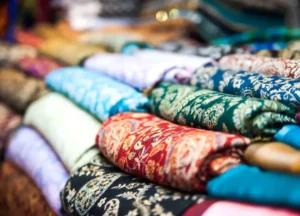
Looking to buy fabric?
You can also purchase SilkYue’s exquisite fabrics and make your own favorite items.
Customization and Innovation
You can tell us the fabrics and styles you like (clothes, pants, sachets, bags, etc.), and SilkYue will make customized samples.