The Origins of Mulberry Silk
Mulberry silk originated in ancient China, with silk production beginning over 4,000 years ago.
According to folklore, Huangdi’s wife was drinking water in a wild mulberry forest when a wild silkworm cocoon fell from a tree into her bowl. When she scooped it up with a branch, a continuous, slender, and lustrous silk thread emerged.
Later, Huangdi’s wife began domesticating the wild silkworms and using this silk thread to weave clothing.
Mulberry leaves are the silkworm’s sole food source, producing silk fibers that are finer, smoother, and more uniform than any other type of silk.
Since then, mulberry silk has become one of the most prized fabrics in human history, remaining the highest standard for natural silk for centuries.

What is Mulberry Silk Made Of?
Many people often ask: What is mulberry silk made of?
The answer lies in the humble silkworm. Mulberry silk comes from a species of silkworm called Bombyx mori, which feeds exclusively on mulberry leaves.
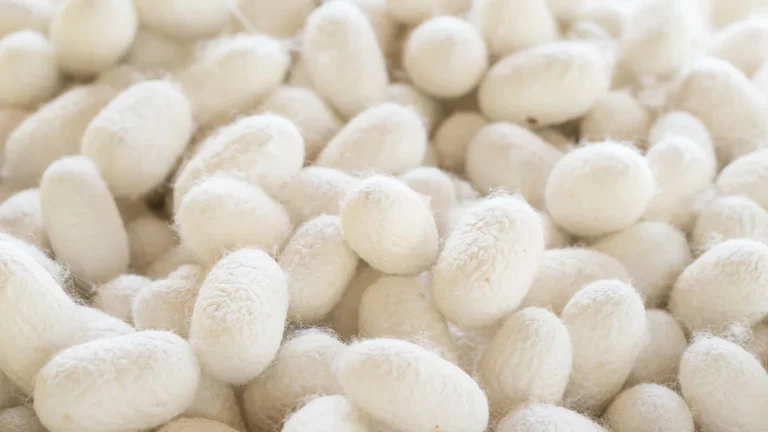
After consuming the leaves, the silkworm spins a cocoon, which consists of continuous threads that can sometimes be nearly a kilometer long.
The protein structure of mulberry silk is primarily composed of fibroin and sericin, which contribute to its natural luster, softness, and durability.
Unlike synthetic fibers, mulberry silk is 100% natural and biodegradable, making it an environmentally friendly choice.
The silkworm’s pure diet makes its silk whiter, smoother, and more uniform than silk from other silk species.

How Mulberry Silk is Made
The silk production process is both an art and a science.
First, mulberry trees must be carefully cultivated to provide the silkworms with essential leaves for food.
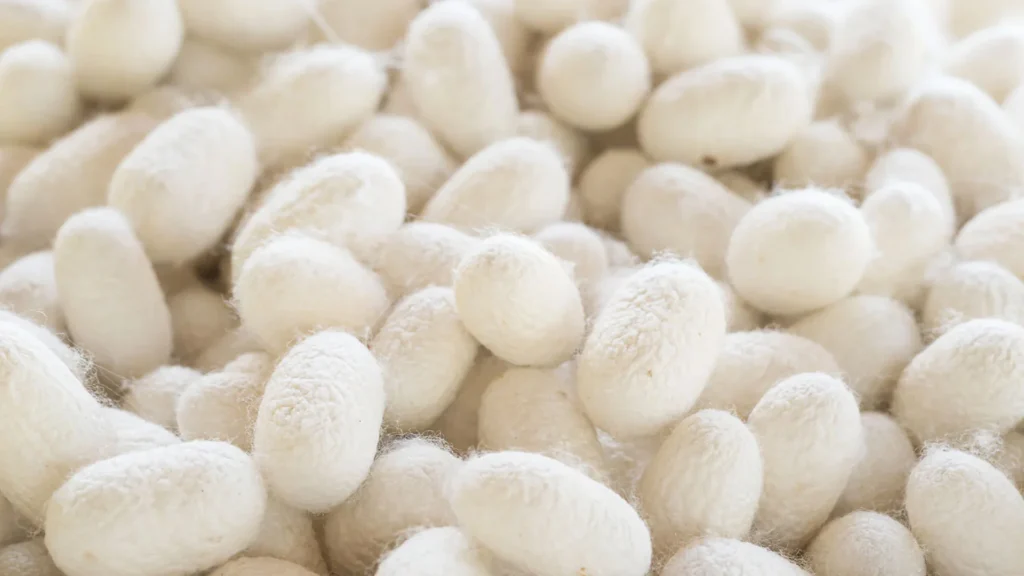
When the silkworms mature, they spin cocoons, which become the first silk.
The cocoons must then be harvested at the perfect time to ensure the highest quality silk fibers.
The cocoons are then carefully softened in warm water and unraveled into long threads during the reeling process.
These fine threads are twisted together to create raw silk, which is then woven into exquisite silk fabrics.
Modern technology continues to refine and optimize these methods, but the basic principles have remained the same for thousands of years.
It is this meticulous craftsmanship that explains why silk is renowned worldwide for its superior quality, comfortable texture, and luxurious feel.
Is Mulberry Silk Real Silk?
Mulberry silk is pure silk, furthermore considered the highest quality silk in the world.
Silk is defined as a natural protein fiber produced by silkworms, and mulberry silk comes from Bombyx mori.
Because these silkworms are raised under controlled conditions and fed only mulberry leaves, the fibers they produce are smoother, longer, and more uniform than any other type of silk.
Mulberry silk’s qualities are particularly outstanding compared to other varieties, such as tussah silk, castor silk, and even synthetic “silk imitations.”
Unlike artificial alternatives, mulberry silk is 100% natural, breathable, and biodegradable.
Unlike wild silk, which often has an uneven texture and varying colors, mulberry silk is highly sought after for its uniform, pure white color and soft, comfortable feel.
For this reason, mulberry silk has become a top choice for luxury apparel, high-end bedding, and accessories.
Whether it’s silk clothing, pillowcases, or scarves, mulberry silk ensures a final product that combines durability, comfort, and elegance.

Key Features and Benefits of Mulberry Silk
Mulberry silk offers numerous benefits. This fabric is gorgeous, not to mention renowned for its comfort. Here are five of its most important features:
Mulberry Silk Soft and Naturally Lustrous
Mulberry silk is famous for its smooth texture and natural sheen. Its fine fibers reflect light beautifully, giving the fabric a natural sheen that synthetic materials cannot match.
Mulberry Silk Hypoallergenic and Skin-Friendly
Mulberry silk’s natural protein structure cares for sensitive skin and resists common allergens such as dust mites. This makes it an excellent choice for those with sensitive skin.
Mulberry Silk Breathable
Mulberry silk has highly breathability, which helps to keep you cool in the summer and warm in the winter. This property makes it an ideal choice for clothing and bedding.
Mulberry Silk Durable
Mulberry silk despite its delicate feel, silk is exceptionally strong. The long fibers of the silkworm cocoon ensure that mulberry silk fabrics are more durable and tear-resistant than other types of silk.
Mulberry Silk is environmentally sustainable
Mulberry silk is a natural fiber that is biodegradable and produced using environmentally friendly processes. It offers luxurious elegance without compromising sustainability.
In short, the benefits of silk offer a healthier, comfortable, and sustainable lifestyle for those seeking luxury.
Mulberry Silk vs Other Types of Silk
There are many varieties of silk, but not all silk is created equal. To understand why mulberry silk is so valuable, let’s compare it to other types of silk available on the market.
Mulberry Silk vs. Tussah Silk
Tussah silk is typically produced in India and is made by wild silkworms that feed on a variety of plants.
While it has a rich, natural texture with golden hue, it’s not as smooth and uniform as mulberry silk.
The shorter fibers of tussah silk also make it less durable.
Mulberry Silk vs. Eri Silk
Eri silk, sometimes called “peace silk,” comes from silkworms that aren’t slaughtered during the cocooning process.
It has a coarse, wool-like texture and provides warmth and comfort, but it’s still slightly less durable than mulberry silk.
By contrast, mulberry silk is finer and softer.
Mulberry Silk vs. Synthetic Silk
Synthetic silks like polyester or rayon may resemble natural silk at first glance, but they lack mulberry silk’s breathability, natural luster, and eco-friendliness. They’re cheaper but lack the comfort or premium feel.

Common Applications of Mulberry Silk
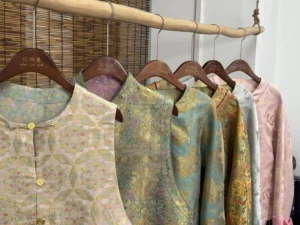
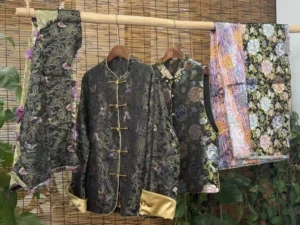
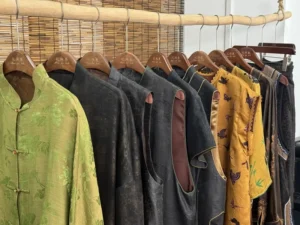
Mulberry silk, with its unparalleled softness, strength, and beauty, has become the preferred choice for many luxury goods. From fashion to home textiles, this high-quality fabric enhances the sophistication of everyday items.
Fashion and Apparel
Mulberry silk is a essential fabric in the fashion world.
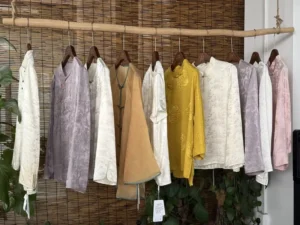
Designers frequently use it in dresses, shirts, scarves, ties, and evening gowns.
Its natural sheen and comfortable drape make it a top choice for clothing.
In recent years, mulberry silk has also become increasingly popular for loungewear and pajamas, offering comfort without sacrificing a luxurious aesthetic.
Bedding and Home Textiles
Mulberry silk is also gaining popularity in the bedding industry.
Products such as silk pillowcases, sheets, and duvet covers are popular with consumers for their softness and ability to regulate temperature at night.
Many consumers choose mulberry silk bedding not only for its comfort but also for its benefits for skin and hair, as mulberry silk reduces friction and locks in moisture.
Accessories and Gifts
From luxurious silk eye masks to decorative cushions and handkerchiefs, mulberry silk is widely used in accessories.
Its unique charm makes it a popular choice for high-end gifts, symbolizing perfect sophistication and comfortable pampering.
Health and Lifestyle Products
Beyond fashion and textiles, mulberry silk is also used in health products, such as silk nightcaps that help protect hair and silk-lined garments that soothe sensitive skin.

How to Care for Mulberry Silk Products
To maintain the beauty and functionality of silk products, proper care is crucial. Here are some practical tips for silk care:
Gentle Washing
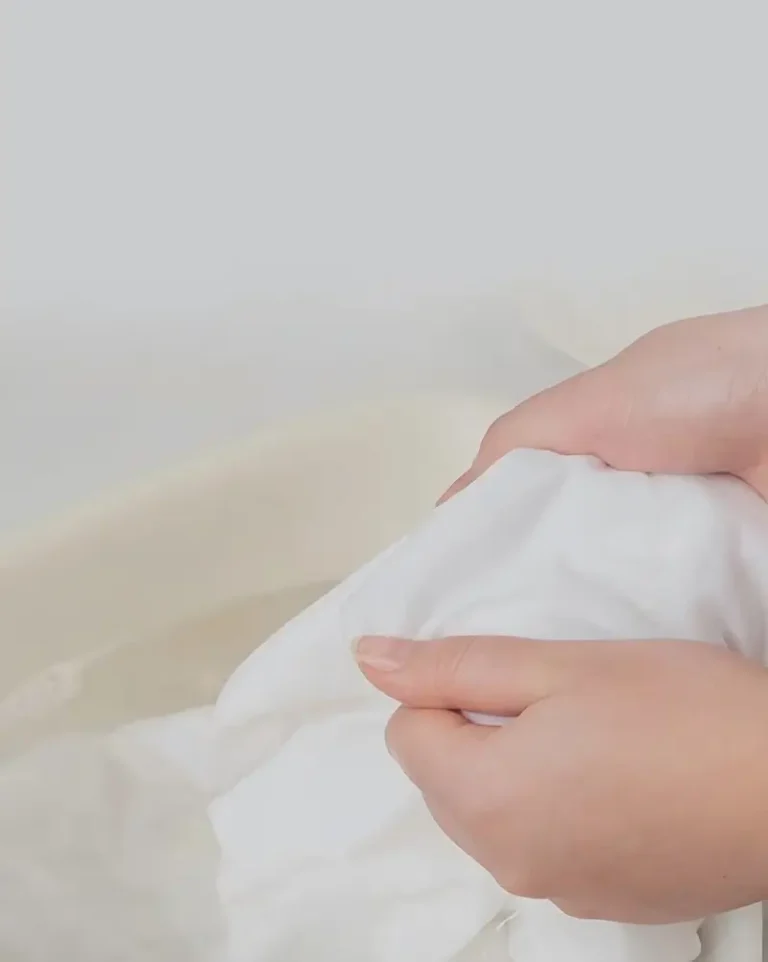
Handwashing in cold or warm water is the safest way to clean silk.
Use a mild, pH-neutral detergent designed for delicate fabrics.
Avoid using bleach or harsh chemicals, as these can damage silk fibers.
Some high-quality silk products can also be dry-cleaned, depending on the manufacturer’s instructions.
Protect from Direct Sunlight
Silk should not be exposed to strong direct sunlight for extended periods, as this can cause fading and weakening of the fibers.
When drying, store silk should in a cool, well-ventilated area.
Proper Storage
Store silk clothing or bedding in a cool, dry place.
Use breathable cloth bags instead of plastic bags to prevent moisture accumulation.
Avoid hanging heavy silk garments for extended periods, as this can cause the fabric to stretch.
Iron carefully
If ironing is necessary, always set your iron to a low heat setting or the silk setting.
Place a cloth between the iron and the silk to prevent burn marks or heat damage.
Steam ironing is also a safe way to remove wrinkles.
Extend the life of silk
Keep several sets of silk bedding or clothing on hand and rotate them frequently to reduce wear and tear.
With proper care, mulberry silk can last for years, retaining its softness and luster.
SilkYue offers silk laundry detergent specifically designed for cleaning mulberry silk products. Contact us for the latest price.
Discover SilkYue—Your Trusted Partner in Mulberry Silk
For centuries, silk has symbolized elegance, exquisite craftsmanship, and timeless beauty.
At SilkYue, we uphold this tradition, creating premium silk products that blend traditional and modern design.
Based in China, the birthplace of silk, SilkYue specializes in the production and export of a wide range of silk products, including apparel, home textiles, and custom gifts.
Each product is meticulously crafted to ensure customers experience the unparalleled quality and benefits of authentic silk.
Whether you are a brand seeking reliable B2B sourcing, a retailer seeking a high-quality silk collection, or a consumer seeking luxurious silk products, SilkYue is your trusted partner.
What does ‘ Momme ‘ mean when buying silk products? Is the higher the value, the better?
Momme ( mm ) is a professional unit to measure the weight and density of silk fabrics, rather than the traditional count.
Numerical meaning : the larger the number of meters, the more silk used per unit area, the thicker the fabric, the more durable and the better the sense of draping.
How to choose : It ‘s not infinite. For silk pillowcases and bedsheets, 19mm is an entry-level cost-effective choice ; 22 mm is recognized as the ‘ gold standard ‘, which achieves a perfect balance between durability and softness ; 25 m meters or 30 m meters are luxurious, heavier, suitable for users with sufficient budget and the pursuit of the ultimate experience.
Why is the price difference of ‘ mulberry silk ‘ on the market huge? What is 6A grade mulberry silk?
Mulberry silk is divided into grades. The International Silk Association divides the quality of raw silk into different grades from A to 6A.
6A grade mulberry silk : This is the highest grade of raw silk. It means that the silk fiber is the longest and most uniform, with almost no breakage or impurities.
Price difference : Low-priced products may use low-grade silk ( such as scraps, short fibers ) or even ‘ imitation silk ‘ mixed with polyester fibers. In order to obtain the best skin care and hair care effect, be sure to confirm that the product is marked with ‘ 100 % 6A grade mulberry silk ‘.
What is the difference between Mulberry Silk and Tussah Silk?
Although both are natural protein fibers, the source and texture of the two are very different.
Silkworm ( silkworm ) : eat mulberry leaves grow up, the whole artificial indoor carefully. The silk thread is white, delicate and smooth, and the luster is as soft as pearls. It is the first choice for making high-end close-fitting clothing and bedding.
Wild silk ( tussah ) : Growing up by eating oak leaves in the wild. The silk thread is usually light yellow or brown, the fiber is thicker, the feel is dry and rough, and the gloss is not as good as mulberry silk. It is usually used to make carpets or thick coats, which is not suitable for direct contact with delicate skin.
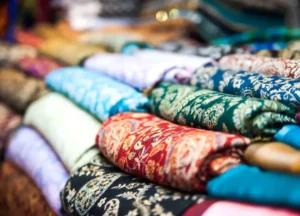
Looking to buy fabric?
You can also purchase SilkYue’s exquisite fabrics and make your own favorite items.
Customization and Innovation
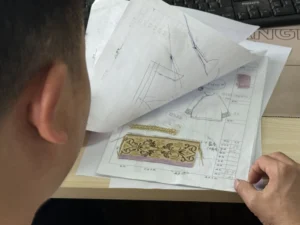
You can tell us the fabrics and styles you like (clothes, pants, sachets, bags, etc.), and SilkYue will make customized samples.