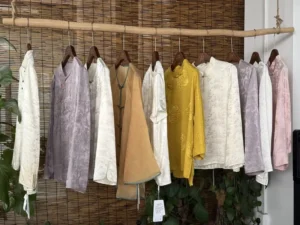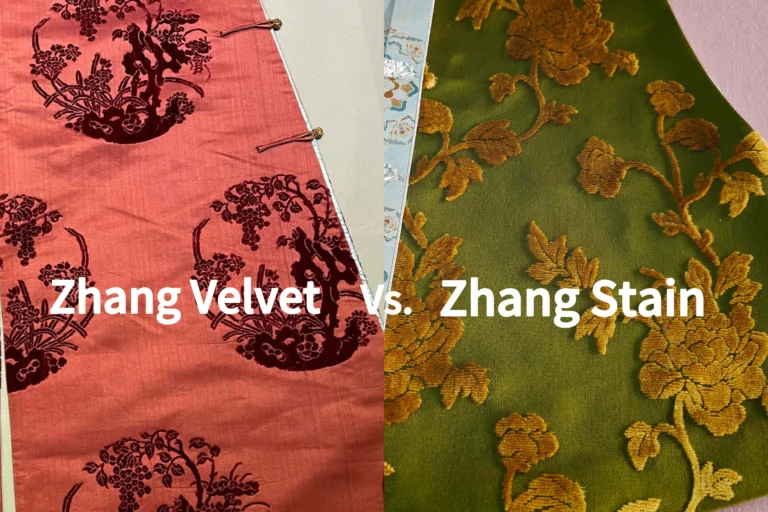
How to Identify and Care Zhang Velvet Stain?
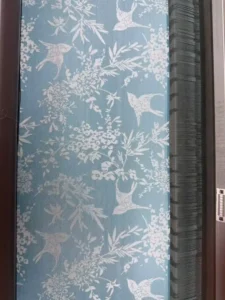
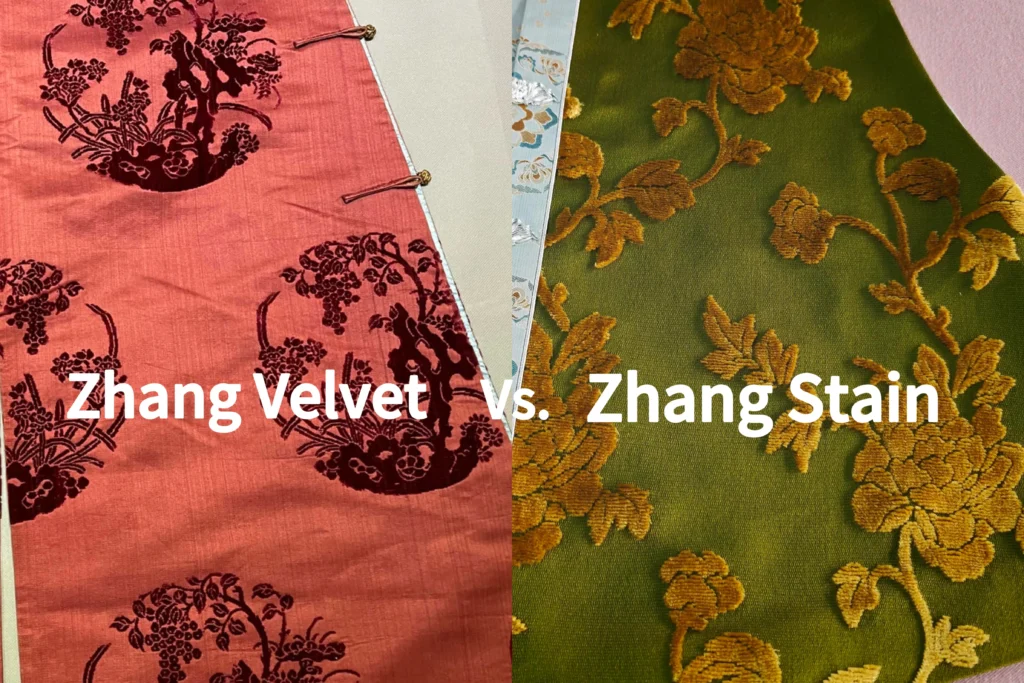
1. Check whether the fabric features a recessed velvet pile and a smooth raised satin ground.
2. Examine the surface under natural light to identify the nap direction.
3. Compare Zhang Velvet Silk with Zhang Satin Silk: the former emphasizes the velvet-ground effect, whereas the latter highlights the satin-ground effect.
4. Inspect whether the relief pattern is well defined and whether the pile loops, cut-pile edges, and overall luster are uniform.
5. Before treating visible areas, test any cleaning method on an inconspicuous spot first.
6. Remove dust with a soft-bristled brush. Do not rub or scrub the fabric.
7. Steam the fabric from the reverse side or while it is suspended, then store it without applying heavy pressure.
Why Proper Care for Zhang Velvet Silk Matters?
Zhang Velvet Silk is not an ordinary velvet. This guide explains how to identify, wear, clean, steam, and store the fabric without crushing its pile. By following these care practices, you can preserve its distinctive dimensional texture, soft luster, and structural integrity, ensuring that the fabric remains beautiful and wearable for years to come.
What You Need to Care for Zhang Velvet Silk and Zhang Satin Silk
Before you begin, choose the appropriate care method for your garment. Professional dry cleaning is the safest option for high-value pieces, lined garments, antique textiles, heavily embroidered items, or garments with complex construction.
For routine maintenance—such as removing light surface dirt or minor stains—a low-contact approach is recommended: inspect the fabric first, then gently brush it, air it out, apply steam with care, and store it properly. If a stain is fresh, avoid aggressive home treatments and always test any cleaning method on an inconspicuous area first.
Prepare the following items: two clean white towels, a soft garment brush, a sturdy padded hanger, a breathable garment bag, acid-free tissue paper, a handheld garment steamer, a pressing cloth, and a flat, well-lit work surface. To monitor the fabric’s condition over time, use your phone to photograph the nap direction, pile height, stain locations, and the garment before and after storage.
For basic care of Zhang Satin Silk garments, see the following Silkyue видео:
Step 1: Identify the Fabric Structure
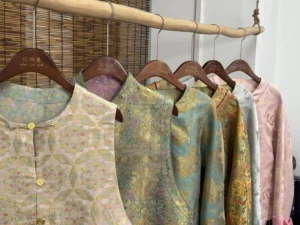
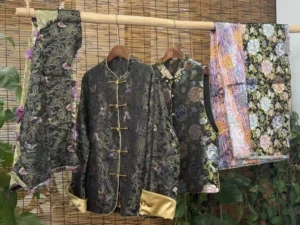
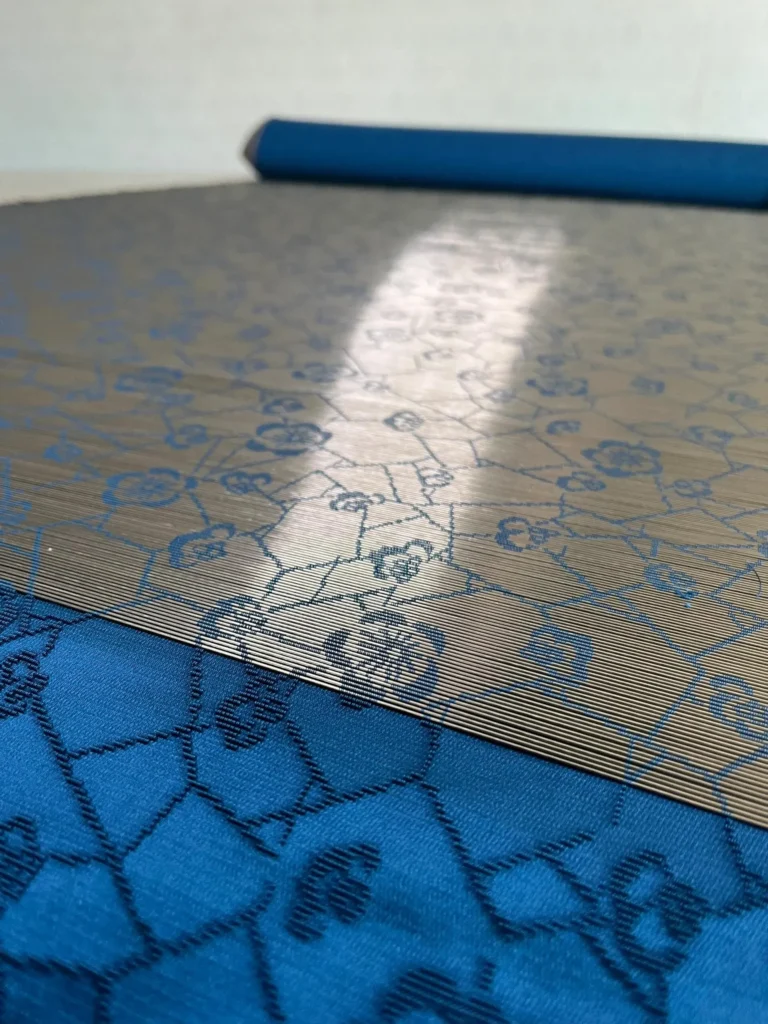
Begin by examining whether the fabric has two distinct visual layers: raised velvet areas and smoother satin areas. Zhang Velvet Silk typically showcases a pronounced three-dimensional velvet surface, whereas Zhang Satin Silk places greater emphasis on the contrast between the satin ground and the velvet pattern. Place the garment under side lighting and observe it as you slowly change the viewing angle. If the surface shifts between lighter and darker tones, the nap direction is clearly defined and should be carefully protected throughout the care process.
Step 2: Determine the Nap Direction
Because the velvet pile reflects light differently depending on its orientation, the nap direction determines whether the garment appears rich and deep in color, bright, or uneven in tone. Lay the garment flat and gently stroke the pile in one direction, then in the opposite direction.
Record the preferred nap direction with a photograph or in your care notes. Do not mark the fabric directly.
During storage, steaming, and wear, keep the nap running in a consistent direction to avoid visible color variation between different garment panels.
Распространенные ошибки и как их избежать
- Mistake:Treating every velvet panel as if the nap runs in the same direction.
- Solution: Examine each panel individually under natural light before beginning any care.
- Mistake:Brushing repeatedly against the nap.
- Solution:Use a soft-bristled brush and brush gently in a single, consistent direction.
- Mistake: Folding the garment without checking the nap direction.
- Solution: Place acid-free tissue paper between folds and avoid applying heavy pressure during storage.
Step 3: Inspect the Pile Loops, Cut Pile, and Pattern Edges
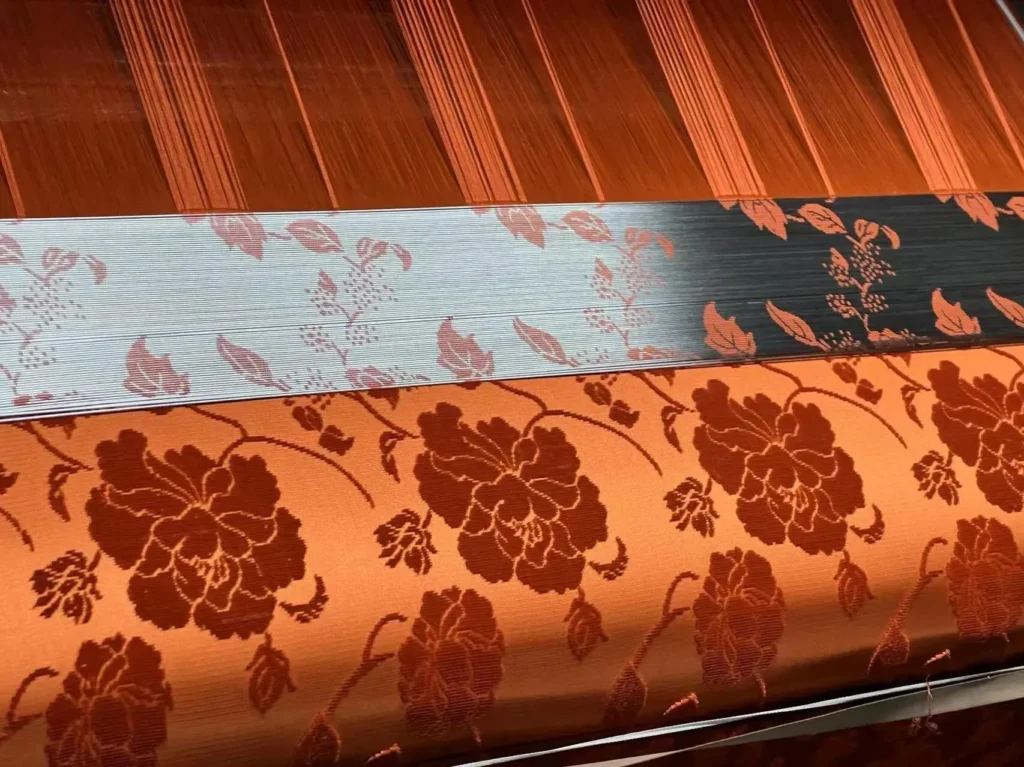
Carefully examine the raised motifs. High-quality Zhang Velvet Silk should display a well-defined relief effect, consistent pile height, and a clean visual contrast between the velvet pile and the satin ground. Do not pull on any loose pile loops.
If you notice loose threads or snagged pile loops, photograph the affected area first and consult a professional textile conservator or the seller before attempting any trimming or repair.
Step 4: Remove Surface Dust Without Rubbing
Use a soft garment brush or a clean lint-free cloth to remove surface dust. Brush gently in the direction of the nap, avoiding any side-to-side rubbing. Delicate velvet surfaces should not be cleaned with adhesive lint rollers, as the sticky surface may pull and damage fine fibers. If the garment features metallic threads, embroidery, or areas of aged silk, work around these details rather than brushing directly over them. The purpose of this step is to remove loose dust—not to perform a deep cleaning.
Распространенные ошибки и как их избежать
- Mistake: Using adhesive tape or a sticky lint roller.
- Solution: Use a soft garment brush instead.
- Mistake: Scrubbing vigorously when a section appears darker.
- Solution: Stop rubbing, apply light steam from a safe distance, and reassess the area after it has relaxed.
- Mistake: Cleaning with a colored towel.
- Solution: Use only a clean white cloth to prevent dye transfer.
Step 5: Always Spot-Test Before Any Moisture Touches the Silk
Because both silk satin and silk velvet can be sensitive to moisture, testing is essential before any cleaning attempt. Choose an inner seam or another inconspicuous area, lightly dab it with a white cloth dampened with a small amount of cold water, and allow it to dry completely. If you notice color transfer, water spotting, or changes in the pile, do not continue with home treatment.
For oil stains, cosmetics, red wine, perfume, or unidentified stains, professional cleaning is generally safer than attempting DIY removal.
Step 6: Steam Zhang Velvet Silk Safely
For minor wrinkles, first hang the garment in a well-ventilated area. For more noticeable creases, use a garment steamer from the reverse side or allow the steam to hover above the fabric without letting the steamer head touch the velvet pile directly.
Move slowly and continuously. Never press a hot iron directly onto the surface of Zhang Velvet Silk. Direct pressure can crush the pile and may leave permanent shiny marks that are difficult to restore.
Распространенные ошибки и решения
- Mistake: Pressing the velvet pile directly with a hot iron.
- Solution: Use hovering steam instead. If a pressing cloth is necessary, use it cautiously on the reverse side only.
- Mistake: Applying steam to the same area for too long.
- Solution: Keep the steamer moving continuously and allow the fabric to cool naturally.
- Mistake: Wearing the garment immediately after steaming.
- Solution: Wait until the garment is completely dry before wearing or storing it.
Step 7: Store Zhang Velvet Silk Without Heavy Pressure
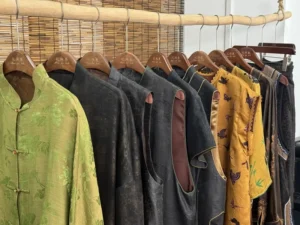
Many forms of damage to luxury silk garments occur during storage. For structured vests, jackets, and dresses, hang the garment on a padded hanger. Cover it with a breathable fabric garment bag, not a plastic bag.
Keep it away from direct sunlight, damp walls, perfume, and heavy compression. If folding is unavoidable, place acid-free tissue paper between folds and periodically change the fold positions so the same crease does not remain compressed for an extended period.
Zhang Velvet Silk vs. Zhang Satin Silk: Quick Checklist
Before purchasing or beginning any care routine, you can use the following quick checklist.
| Контрольно-пропускной пункт | Zhang Velvet Silk | Zhang Satin Silk |
|---|---|---|
| Основной визуальный эффект | Rich velvet pile and relief texture | Smooth satin ground with raised velvet details |
| Легкая реакция | Darker or lighter depending on nap | Brighter satin reflection with patterned pile |
| с нами | Soft, plush, dimensional | Smooth base with raised pattern |
| Care risk | Pile crushing and shine marks | Water spots, friction, and heat marks |
| Наилучшее использование | Vests, jackets, formal pieces, cultural garments | Elegant panels, decorative garments, refined occasion wear |
1. Can Zhang Velvet Silk Be Washed at Home?
For most high-value garments, professional cleaning is the safer option. Home washing may lead to crushed pile, water spotting, or changes in the silk’s natural sheen. If the care label or seller’s instructions allow light home maintenance, a spot test in an inconspicuous area is still essential. In all cases, avoid rubbing, wringing, hot water, bleach, and tumble drying.
2. How Should Wrinkles in Zhang Velvet Silk Be Removed?
Steam should be used with caution, preferably applied from the reverse side of the fabric. Avoid direct contact between an iron and the velvet surface. A garment steamer should hover near the fabric rather than touch the pile directly. After steaming, allow the garment to dry completely before wearing or storing it. For antique pieces, lined garments, or heavily embroidered items, professional handling is recommended.
3. Why Does Zhang Velvet Silk Look Darker or Lighter from Different Angles?
This effect is caused by the directional nature of the pile, known as the nap. As light hits the fibers from different angles, the surface may appear darker, brighter, or uneven. This is a normal characteristic of velvet fabrics. To maintain a consistent appearance, always check the nap direction before brushing, steaming, folding, or cutting.
4. Is Zhang Velvet Silk Suitable for Daily Wear?
It is better suited for special garments, cultural attire, formal vests, jackets, and decorative pieces rather than high-frequency daily wear. While it can be worn, friction from handbags, belts, car seats, and repeated compression when sitting may flatten the pile. Therefore, designs should minimize placement in high-friction areas.
Conclusion: Was This Zhang Velvet Silk Guide Helpful?
Zhang Velvet Silk deserves careful, attentive maintenance. Its beauty lies in the height of its pile, its sculpted relief texture, the contrast with the satin ground, and its directional sheen. For this reason, the safest care logic is simple: inspect first, brush gently, test before any moisture contact, steam without applying pressure, and store in a way that avoids compression. Has this guide helped you better care for Zhang Velvet Silk or Zhang Satin Silk? Feel free to share your fabric-related questions in the comments, or pass this guide on to anyone who owns delicate silk garments.